
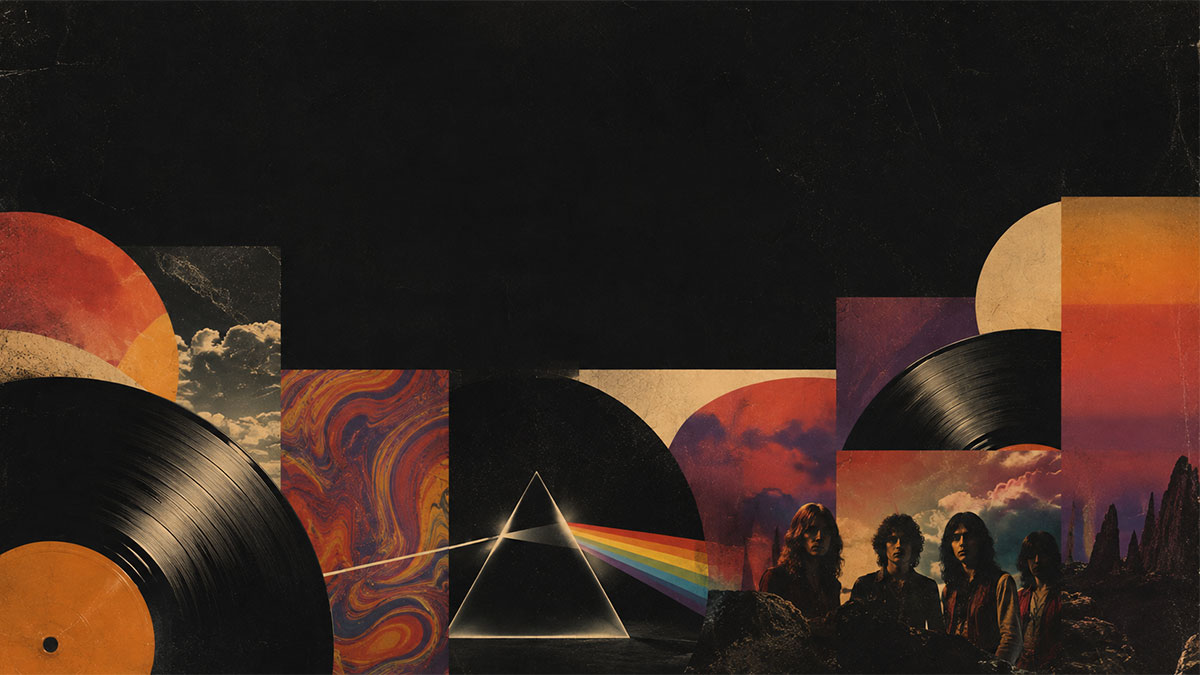
15 Classic Rock Albums With Poster-Worthy Artwork
Discover 15 iconic classic rock albums whose legendary cover art deserves a place on your wall, from psychedelic masterpieces to minimalist designs.
15 Classic Rock Albums With Poster-Worthy Artwork
Album cover art has always been more than just packaging—it's a visual representation of the music, the era, and the cultural movements that shaped generations. Classic rock, in particular, delivered some of the most iconic and visually stunning album covers in music history. These designs transformed vinyl sleeves into collectible art pieces that fans proudly displayed long before streaming made music invisible.
Whether you're a longtime collector or discovering these albums for the first time, these 15 classic rock records feature artwork that deserves to be experienced as wall art, not just thumbnails on a screen.
Pink Floyd - The Dark Side of the Moon (1973)
Storm Thorgerson's prism design for Pink Floyd remains one of the most recognizable images in music history. The elegant simplicity of white light splitting into a rainbow spectrum against a black background captures the album's exploration of universal human experiences. Its minimalist composition and bold geometric shapes make it an endlessly versatile design for any space.
The Beatles - Sgt. Pepper's Lonely Hearts Club Band (1967)
Peter Blake and Jann Haworth's collage masterpiece assembled dozens of cultural icons, from Bob Dylan to Marilyn Monroe, surrounding the Beatles in their psychedelic military uniforms. The vibrant colors, meticulous detail, and sheer ambition of this cover helped establish album art as a serious creative medium. Every viewing reveals new details worth exploring.
Led Zeppelin - Houses of the Holy (1973)
Hipgnosis studio created this surreal scene of naked children climbing the Giant's Causeway in Northern Ireland, treated with unusual color filters that give the image an otherworldly quality. The dreamlike landscape and striking color palette—oranges, purples, and blues—make this one of rock's most visually distinctive covers.
The Velvet Underground & Nico (1967)
Andy Warhol's banana design is pop art distilled to its essence. Originally featuring a peel-off sticker revealing a flesh-colored banana underneath, the cover's simplicity and Warhol's signature make it instantly recognizable. The bold yellow against white background creates a striking visual statement that works beautifully at poster scale.
Black Sabbath - Black Sabbath (1970)
Keith Macmillan photographed a mysterious figure standing before a derelict watermill, creating an ominous atmosphere that perfectly matched the band's heavy, doom-laden sound. The moody composition and gothic imagery established visual themes that would influence metal artwork for decades to come.
Yes - Fragile (1971)
Roger Dean's fantastical landscape painting introduced his signature style of floating islands, organic spacecraft, and impossible geology. The intricate detail, vibrant colors, and imaginative world-building in Dean's work transformed progressive rock album covers into windows to other dimensions. His paintings remain endlessly captivating at any size.
The Rolling Stones - Sticky Fingers (1971)
Andy Warhol designed another iconic rock cover with this provocative close-up of jeans with a working zipper. The bold concept and Warhol's artistic vision created a cover that was simultaneously artistic, controversial, and unforgettable. Even without the interactive zipper, the image retains its visual impact.
Fleetwood Mac - Rumours (1977)
Desmond Strobel photographed Mick Fleetwood and Stevie Nicks in a simple yet striking composition. Nicks' flowing costume and the theatrical staging create an elegant, mysterious image that captures the drama behind the album's creation. The photograph's classic quality gives it timeless appeal.
Queen - Queen II (1974)
Mick Rock's dramatic photograph bathed the four band members in stark lighting against deep black, creating a mysterious, almost supernatural quality. The high-contrast black-and-white composition feels both classic and contemporary, and it directly inspired the visual style of the "Bohemian Rhapsody" video.
Jimi Hendrix Experience - Are You Experienced (1967)
Karl Ferris created a psychedelic fish-eye lens photograph with vivid color saturation that perfectly captured the mind-expanding qualities of Hendrix's guitar work. The swirling colors and distorted perspective embody the experimental spirit of late-1960s rock and the visual language of the psychedelic era.
The Who - Who's Next (1971)
Ethan Russell photographed the band members after they'd apparently urinated on a concrete monolith in a slag heap—a darkly humorous reference to 2001: A Space Odyssey. The stark, industrial landscape and the band's casual defiance create a powerful image that balances artistic composition with rock and roll irreverence.
Santana - Abraxas (1970)
Mati Klarwein's painting "Annunciation" graces this cover with lush, surreal imagery blending religious iconography, African motifs, and psychedelic colors. The intricate detail and spiritual imagery create a visually rich experience that rewards extended viewing and complements the album's Latin rock fusion.
Deep Purple - Machine Head (1972)
The cover photograph shows Mount Fuji with the band's equipment in the foreground, connecting to the album's recording location near Montreux, Switzerland (despite the Japanese imagery). The striking composition and the album's association with "Smoke on the Water" make it a significant piece of rock history.
Cream - Disraeli Gears (1967)
Martin Sharp's psychedelic collage explodes with day-glo colors, colliding images, and surreal juxtapositions that capture the experimental spirit of Cream's music. The kaleidoscopic design and bold color choices make it a quintessential example of 1960s psychedelic art.
Boston - Boston (1976)
Paula Scher's design featuring a fleet of guitar-shaped spaceships emerging from a city became an instant classic of 1970s rock imagery. The science fiction concept, polished execution, and the album's massive success combined to make this cover an enduring symbol of arena rock's ambitions.
Why These Covers Endure
These fifteen albums represent different approaches to visual storytelling—from Warhol's pop art minimalism to Roger Dean's detailed fantasy landscapes, from stark photography to elaborate paintings. What they share is a commitment to treating album artwork as a serious creative endeavor worthy of the music it represents.
In today's digital age, these covers remind us of the tangible connection between music and visual art. They were designed to be held, studied, and displayed—making them perfect candidates for poster reproduction. Whether you experienced these albums when they were first released or discovered them later, their artwork continues to resonate because great design transcends its original medium.
For music fans looking to bring these iconic images into their living spaces, modern tools make it easier than ever to create customized posters that honor these classic designs. You can incorporate album metadata, track listings, and design elements that celebrate both the music and the visual legacy of these masterpieces.
Ready to turn your favorite album into wall art? Explore PosterVibe or open the poster editor to start creating.
Ready to Create Your Own?
Put these ideas into practice with our album cover poster maker, or explore the album poster maker, spotify poster maker, tracklist poster maker.